Monday, 14 December 2015

So how does this "Stereolithography Apparatus" even work?


So how does a 3-D printer work?


3-D printing food (and 3-D printing in general) is a very hard thing to be able to understand. It requires very precise angles of attack when it comes down to building the objects in the 3-D printing process.

Today's blog is to show you how 3-D printers actually are able to 3-D print the objects that they are commanded to print.
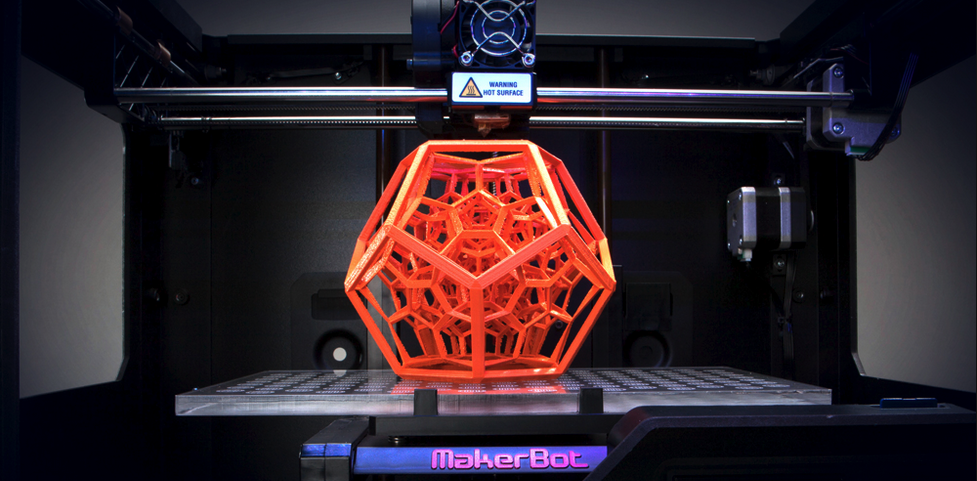


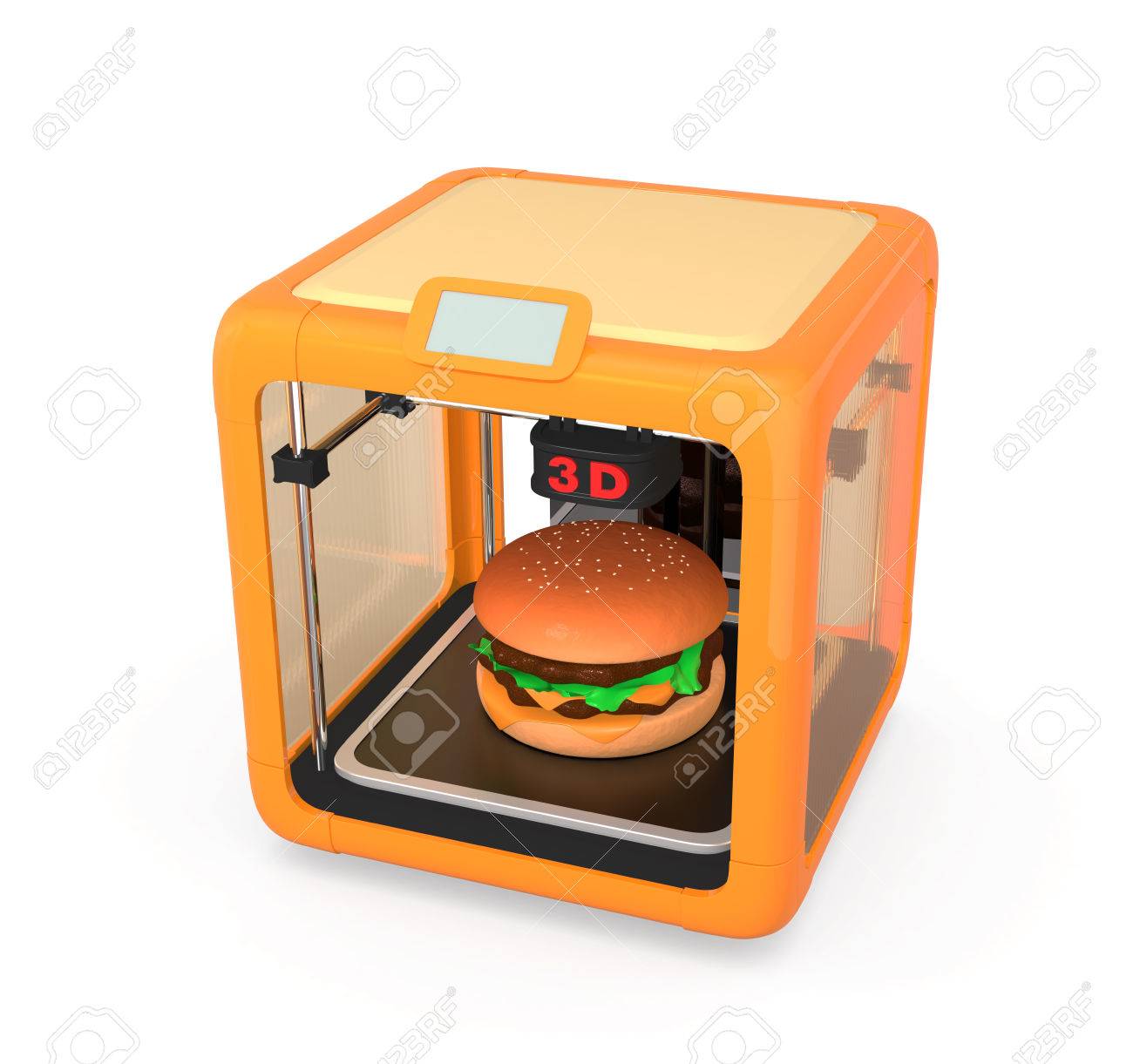
3-D printing, scientifically known as Additive Manufacturing is the process of stacking (adding) many 2-D layers on top of each other to make a 3-D object. The simplicity of 3-D printing an object depends on how many layers the object must have (which is why making something like a burger is very hard for a 3-D printer to do).


There are three methods that a 3-D printer can use to print objects and one of the three possible methods is programmed in the software of the printer's computer. The first method is to use a pool of chemicals that solidify when an infrared or ultraviolet light is shone upon it. The laser moves along a thin layer of liquid, drawing the required design.

A second method uses molten ink (or in some unique cases: chocolate or cheese!) that becomes solid when it emerges from the printer head. Designs are drawn by ink and again built up, layer by layer of 2-D shapes until the final product is complete.

The last method is to use layers of powdered material which are then heated to fuse the material together to translate the design into reality.


These processes of 3-D printing are carefully put into the software of the 3-D printer's computer system by the computer technicians that install the software onto the computer. My goal for my next blog is to find out more about how the instructions are put into the software of the 3-D printer's computer, or to make a long statement shorter, to find out more about the software of 3-D printer


Saturday, 5 December 2015

The First 3-D Printer


The First 3-D Printer


3-D printing is a wonderful type of technology. It can create vast things like animated model body parts and even foods. But where did it start?

Technically, I should know....and I do. I will explain to you how 3-D food printing came to be. 


In 1984, inventor Charles Hull made the first ever patent of a stereolithography apparatus (SLA). The machine was called Portal and it was the first model of what we see today as a 3-D printer.

It started that year as well as Hull had the idea that if you point a highly focused UV light at a goopy material called a "photopolymer", the material would instantly turn solid. If you did this layer by layer, you could "print" an object into existence. Hull dubbed it "stereolithography" and BANG! That's how 3-D printing was born. Charles Hull then went on to invent the 3-D printing company 3D systems!

By the way, Charles Hull was inducted into the National Inventors Hall of Fame this year!

3-D printing will soon reshape the world and now we know where it came from. My new goal for my next blog is to find out more about the software behind how people have the ability to 3-D print food.

Thursday, 19 November 2015

Hello Again!

Hello Again!


As I said in my previous blog, I would be posting another blog again soon. And (no surprises) I was true to my word. So let's get down to business, shall we?


My first blog is about a convention that happened about a month ago. It was hosted by 3-D Systems, a 3-D printing and design company which premiered it's 3-DS culinary lab in Los Angeles this week, featuring top local and creative culinary talent while allowing guests a firsthand look at the possibilities for it's ChefJet Pro 3-D printer.


The grand opening featured dishes incorporating 3-d elements created in collaboration with signature chefs and mixologists.

One interesting dish out of many was cooked by chef Mei Lin, the winner of season 12 of "Top Chef". Her dish consisted of a wagyu steak tartare with a 3d printed wasabi egg, along with a passion fruit curd dessert garnished with a 3d printed passion fruit flower.

I have learned that true culinary talent can be mixed with 3-d printing and the result can be good. I am going to find out what other famous things 3-d printing food is or was involved with.

Image result for 3d systems 3ds culinary lab

Friday, 6 November 2015

Markus Saulle's Genius Hour Blog 2015 First Post


Greetings!


My name is Markus Saulle and I go to Transfiguration Of Our Lord C.S in Etobicoke, Ontario.

I will be starting a blog for the project that my class is doing. The project is called Genius Hour, based off of Google's 20% time project. This project is a year-round process and my subject will be "How 3-D printing food can be used to solve worldwide famine issues". I will be using Blogger to blog down all the things that I have learned from research and list my new goals.

I have chosen the concept of 3-D printing food because of my interest in food (no, really! Food is always on my mind) and a newly found interest in 3-D printing as I heard in the news that 3-D printers exist, and are used for medical reasons, such as constructing organs and limbs for the human body. The idea that came to my mind after that was the thought of  "If you can make 3-D printed body parts for medical reasons, then why not make 3-D printed food to help the hungry?"


I then thought of the hydrator from Back to the Future 2. It is one of my favourite sci-fi movies, so it got me thinking of how cool it would be to have this happen in real-life. I really love the concepts of food and technology so this is why I have picked this subject for my project.


My goal is to develop enough knowledge about the subject of 3-D printing food to develop a website about it. I have already found some facts about 3-D printing food and even the fact that NASA uses food printers to make their meals. I am hoping to find out more about this subject down the road and be able to experiment with trying to build a website based on 3-D printing food. 


My next blog will be published soon. Until then, my best regards.


Markus Saulle