3-D Printing and it's Commercial Uses: Softer, Easy-to-Chew Foods
Because 3-D printing is only starting to be known by people and the printing abilities are vague and still need exploration, you never know what you are going to get, especially from my blogs. This blog post can be surprising to some people because of 3-D printing foods being in close contact with healthcare. Awesome.
In my early stages of research on 3-D printing, I was only looking up how 3-D printing works not the benefits of 3-D printing food for society and I'm sorry because my topic is how 3-D printing food could solve world famine problems.
It is known that not all people could eat some of the foods we do. And this blog is a close up of how 3-D printing food helped stop the elderly in some retirement homes from going hungry.
All of the early examples of 3-D printed foods such as the ones you see when looking them up on Google have all used simple, processed, single-ingredient pastes, powders and purees. Nobody is able to manufacture something complex as let's say a burger with all the fixings. Cobbling together all necessary ingredients and structures to make the food has been a bit too much of a challenge so far.
A researcher at the TNO or the Dutch Organization for Applied Scientific Research named Kjeld van Bommel realized this matter. So rather than reinventing an organic object, van Bommel says that they will create personalized novel consumable foods with personalized nutritional content.

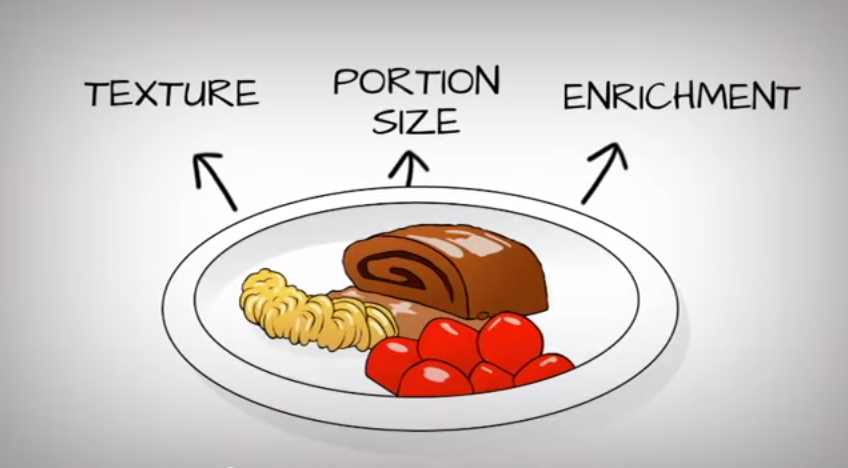
To that end, his group at the TNO is researching 3-D printing food to help seniors who are suffering from dysphagia and have trouble chewing and swallowing food. Their meals are given to them. These people get their meals in an unsightly and unappealing mush of pureed chicken and broccoli for example leading to appetite loss and malnourishment. Van Bommel has a grant from the EU to develop 3-D printed replicas of those foods, only softer and easier to chew.
This concludes my blog. See you in a week or two. Bye for now.
In my early stages of research on 3-D printing, I was only looking up how 3-D printing works not the benefits of 3-D printing food for society and I'm sorry because my topic is how 3-D printing food could solve world famine problems.
It is known that not all people could eat some of the foods we do. And this blog is a close up of how 3-D printing food helped stop the elderly in some retirement homes from going hungry.
All of the early examples of 3-D printed foods such as the ones you see when looking them up on Google have all used simple, processed, single-ingredient pastes, powders and purees. Nobody is able to manufacture something complex as let's say a burger with all the fixings. Cobbling together all necessary ingredients and structures to make the food has been a bit too much of a challenge so far.
A researcher at the TNO or the Dutch Organization for Applied Scientific Research named Kjeld van Bommel realized this matter. So rather than reinventing an organic object, van Bommel says that they will create personalized novel consumable foods with personalized nutritional content.
To that end, his group at the TNO is researching 3-D printing food to help seniors who are suffering from dysphagia and have trouble chewing and swallowing food. Their meals are given to them. These people get their meals in an unsightly and unappealing mush of pureed chicken and broccoli for example leading to appetite loss and malnourishment. Van Bommel has a grant from the EU to develop 3-D printed replicas of those foods, only softer and easier to chew.
This concludes my blog. See you in a week or two. Bye for now.

No comments:
Post a Comment